I hear this more often than anything else: “I wasn’t sure if I was overreacting.”
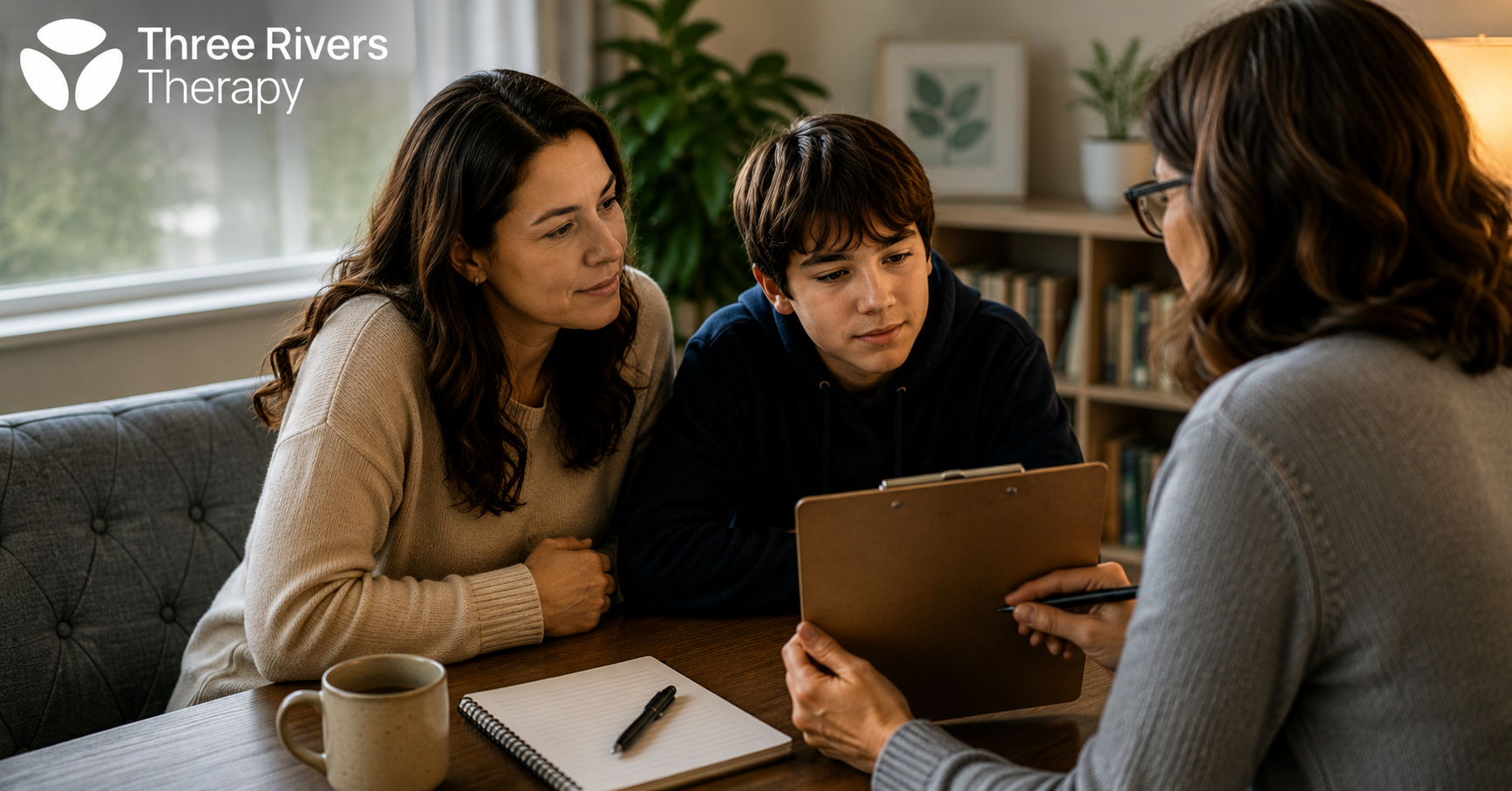
Parents come to my office worried, exhausted, and carrying guilt. They describe a child who seems withdrawn, or irritable, or struggling in school. And almost every parent says some version of the same thing: “I keep telling myself it’s just a phase. But something feels off. I don’t want to overreact, but I also don’t want to miss something important.”
Here’s what I want you to know: Your instinct that something is wrong is probably right. And you’re not overreacting. In fact, research shows that parents are often the first ones to notice when a child’s mental health needs attention, sometimes months before anyone else. The problem is, many parents second-guess themselves, wait too long, or minimize what they’re seeing. This month, during Mental Health Awareness Month, I want to give you clear, clinical language for what to listen for and what to look for. These five signs mean it’s time to reach out for professional support.
1. They’ve Stopped Doing Things They Used to Love (Anhedonia)
Clinically, we call this “anhedonia,” which refers to the loss of pleasure in activities. And it’s one of the most reliable signs that something deeper is happening. This isn’t just being “lazy” or going through a phase where interests change. Anhedonia looks different.
Here’s what it actually looks like: A 12-year-old who used to spend hours drawing now leaves sketchbooks untouched. A teen who was obsessed with soccer isn’t interested in joining the team this year. Not because they found something new, but because “nothing sounds fun.” A child who loved game nights with family now declines, saying they’d rather be alone.
According to the National Institute of Mental Health (NIMH), anhedonia is a core symptom of childhood depression and can also appear in anxiety, ADHD, and trauma responses. When combined with other signs, it’s a strong indicator that a clinical evaluation is needed.
2. Their Sleep or Eating Patterns Have Changed Significantly
The brain-body connection is real. When a child’s mental health struggles, their physical needs shift. You’ll notice changes that aren’t explained by normal growth or development.
Watch for: Sleep changes like sleeping much more than usual (sometimes 12+ hours), insomnia or difficulty falling asleep, or frequent night wakings. Eating changes like loss of appetite, eating significantly more, or changes in food preferences. Or both. Some children cycle between not eating and overeating.
The CDC reports that disrupted sleep and eating are among the most commonly reported symptoms in children with depression and anxiety. These changes are not optional. They are physical manifestations of emotional distress.
3. School Performance Has Dropped (And It’s Not Laziness)
Parents tell me: “His grades just started slipping. I thought he wasn’t trying hard enough, so I pushed harder. We argued about homework. Then it got worse.”
Here’s the distinction: A child who’s struggling with mental health doesn’t have a motivation problem. They have a capacity problem. Their brain is working overtime managing anxiety, depression, or other challenges. Homework feels impossible not because they don’t care, but because their cognitive resources are depleted.
Signs: Sudden drop in grades across subjects, difficulty concentrating or completing assignments, teachers noting “not like themselves,” or sudden school refusal or truancy.
The American Academy of Pediatrics (AAP) identifies academic decline as a critical indicator of underlying mental health concerns, especially when it’s a change from the child’s baseline.
4. They’re More Irritable Than Sad (And This Is the Sign Most Parents Miss)
This one catches parents off guard. We think of depression as sadness. But in children and teens, depression often shows up as irritability. Intense, unpredictable irritability.
What you’ll notice: Overreactions to small frustrations (“Why is the toast burned?!” followed by a meltdown). Snapping at siblings or parents for no clear reason. Seeming angry or “moody” most of the time. Difficulty calming down once upset. Parents describe it as “they’re on edge all the time” or “one wrong word and they explode.”
Research from NIMH and the Journal of the American Academy of Child & Adolescent Psychiatry shows that irritability is actually MORE common than sadness in childhood depression, especially in elementary and middle school children.
5. They’re Talking About Feeling Hopeless or Worthless
This is the most serious sign, and it requires immediate clinical attention. I’m listing it here because you need to know what to listen for.
Listen for statements like: “I’m stupid” or “I’m a burden.” “Nobody likes me” or “Everyone would be better off without me.” “There’s no point in trying.” “I’m never going to get better.” “I can’t do anything right.”
These statements indicate core symptoms of depression: feelings of worthlessness and hopelessness. If your child is expressing thoughts of self-harm or suicide, contact a crisis line immediately or go to an emergency room. But even if they’re “just” talking about feeling worthless, that’s a clear signal that a professional mental health evaluation is urgent.
How to Start the Conversation
If you’ve recognized one or more of these signs, you might be wondering: “How do I bring this up without making them defensive or dismissing me?”
Here’s how to start:
- Choose a calm moment. Not during an argument or meltdown.
- Lead with observation, not judgment. “I’ve noticed you’ve seemed really tired lately” or “I miss you at soccer, I noticed you don’t seem interested in it anymore.” Not: “What’s wrong with you?” or “Stop being so moody.”
- Validate their experience. “I know something feels off to you too, doesn’t it?” This opens space for honesty.
- Offer professional help as an option, not a punishment. “I think it might help to talk to someone who specializes in this. It’s not because something is “wrong” with you. It’s because you deserve support figuring this out.”
You’re Not Overreacting. You’re Being a Good Parent.
If you’ve seen even one of these signs in your child, reaching out for a professional evaluation is the right move. That’s not overreacting. That’s you doing exactly what a good parent does: noticing, trusting your instincts, and taking action.
At Three Rivers Therapy, we specialize in exactly this: helping children and teens with the mental health challenges that are affecting their daily lives, and helping parents navigate the confusion and guilt that comes along with it. We offer outpatient therapy, psychiatric medication support, WISe (Washington’s Wraparound with Intensive Services for more complex needs), and Peer Respite support for families.
We accept most major insurance and WA Medicaid. If you’re ready to take the next step, reach out. Your child’s mental health matters. You matter.
Three Rivers Therapy · Outpatient Therapy · Psychiatric Medication Support · WISe & Youth Services · Most Major Insurance & WA Medicaid Accepted